Category: Safety Tips

  • Severe Weather Awareness Week

    Severe Weather Awareness Week

    Governor Gretchen Whitmer has officially declared March 15–21, 2026 as Michigan’s Severe Weather Awareness Week. With four tornadoes touching down across Southwest Michigan on March 6 — claiming four lives and destroying dozens of homes and businesses — the importance of being prepared has never been clearer. The Chesterfield Township Fire Department encourages every resident to take time this week to make a plan, build a kit, and know your alerts.

    The following video will help you to differentiate between a ‘Watch’ and a ‘Warning’ to formulate an appropriate response in order to keep you and your family safe!

  • Thanksgiving Turkey Safety

    Thanksgiving Turkey Safety

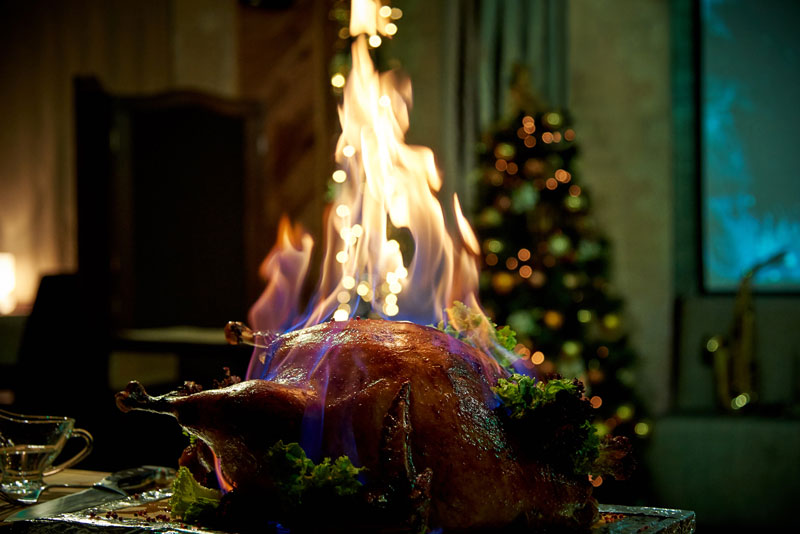
    Cooking fires are a real risk on Thanksgiving as well as any other time of the year. Remember some safety rules!

    • Deep fry your turkey outside on level ground away from the house, deck or overhang.
    • Do not overfill the pot with oil. Read the instructions.
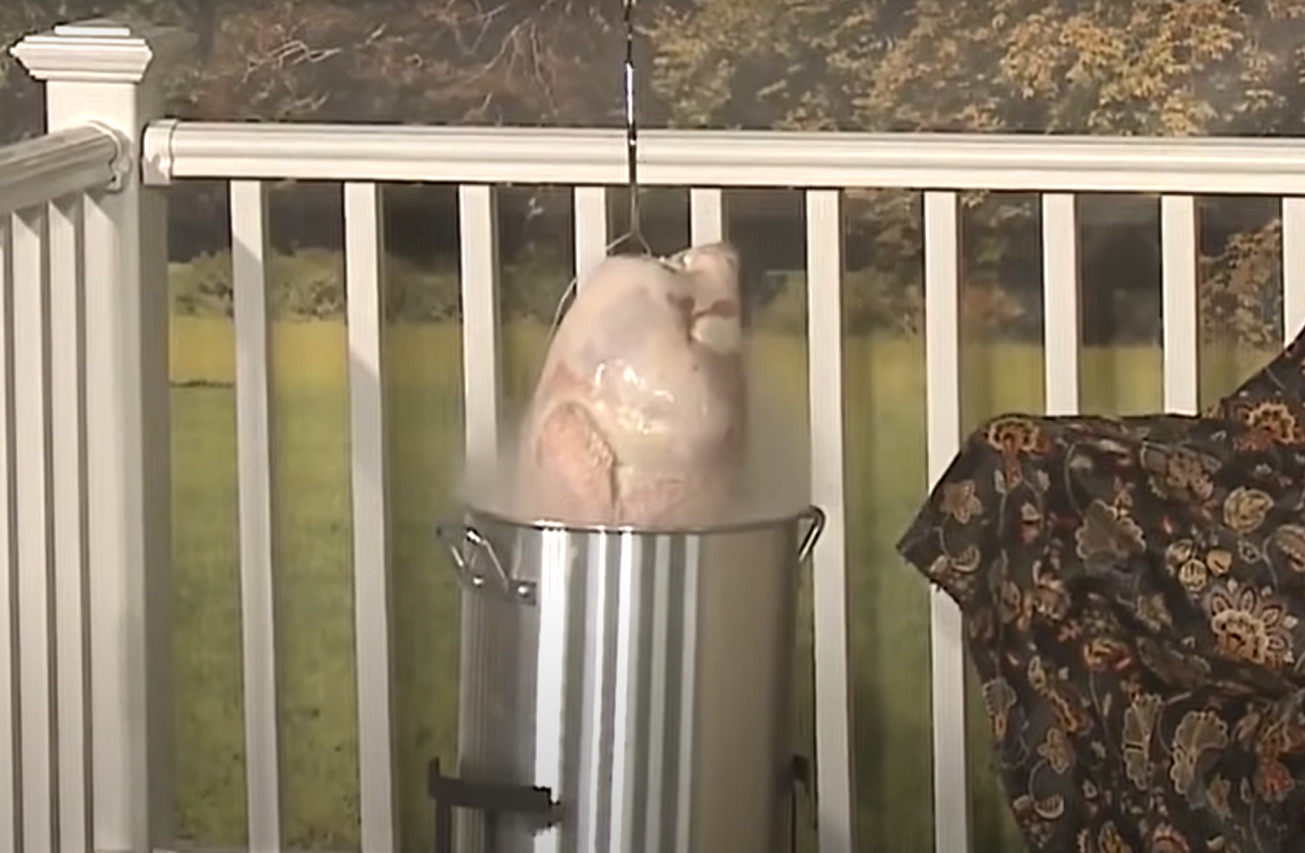
    • Be sure your bird is thoroughly thawed and as dry as possible. Water or ice will cause the oil to “boil-over”
    • If fire breaks out in the oven, close the door of the oven and call the fire department. The oven door will cut off oxygen the fire needs.
    • Turn pot handles on the stove inward to prevent spills. Keep small children and pets away from the hot appliances.
    • Do not wear loose sleeves or clothing when near a stovetop or grill. Prevent being burned by clothing catching fire.
    • As always have a working fire extinguisher, working smoke detectors, and an exit plan to protect your home and family. Be sure smoke detectors work where ever you are spending the night!

    Have a happy and safe Thanksgiving from the Chesterfield Fire Department!!

  • Dangers Of Turkey Fryers – Is The Taste Worth The Risk?

    Dangers Of Turkey Fryers – Is The Taste Worth The Risk?

    Dangers Of Turkey Fryers – Is The Taste Worth The Risk?

    Cooking fires is the number one cause of home fires and injuries in the U.S. and with Thanksgiving being the peak day for cooking, it’s imperative that cooking and kitchen safety are key ingredients to a successful and festive feast on Thanksgiving Day.

    According to U.S. Fire Administration (USFA), each year, in the U.S., there are approximately 2,000 home fires that occur on Thanksgiving Day resulting in deaths, injuries and millions in property loss. One contributor of those fires is turkey frying.  Over the years, turkey frying has become extremely popular during the holiday season. Retailers anxious to capture the market during this brief and prosperous holiday season, stock their shelves with turkey fryers and although the industry has made great strides in the improvement of turkey fryers, the National Fire Protection Association (NFPA) states that they still are not safe to use due to the amount of oil and high temperatures used to cook a turkey.  Even well-informed and careful consumers are at risk when using this product.  The use of outdoor gas-fueled turkey fryers is discouraged by the NFPA unless used by properly trained professionals such as grocery stores, specialty food retailers and restaurants, who use professional quality equipment.  Below are the dangers associated with turkey fryers:

    • Hot oil can spill or splash over onto the flame igniting a fire.  This can occur during the cooking process especially when placing the turkey in the fryer or when removing it.
    • Fryers designed for outdoor use with or without a stand are prone to collapse causing a major hot oil spill.
    • Cooking oil is combustible.  If heated beyond its cooking temperature (375°), its vapors can ignite.
    • Steam can result from hot cooking oil exposed to snow or rain causing a splattering of the hot oil leading to burns.
    • The use of turkey fryers in close quarters poses a burn hazard/danger to children and others in the home. Oil inside a pot can stay dangerously hot for hours after use.
    • DO NOT use in, on or under a garage, deck, breezeway, porch, barn or any structure that can catch fire.
    • Frozen or partially frozen turkeys, when cooked, will cause the hot oil to splatter or produce hot steam leading to burns.
    • Call 911 immediately should a fire occur!
    • NEVER use water to extinguish a grease fire!
  • Taking Shelter When Severe Weather Strikes

    Taking Shelter When Severe Weather Strikes

    Severe weather can strike at any time, and it’s important to know the best places to shelter in order to stay safe. Whether it’s a tornado, hurricane, or blizzard, having a safe place to go can mean the difference between life and death. Here are some of the best places to shelter from severe weather.

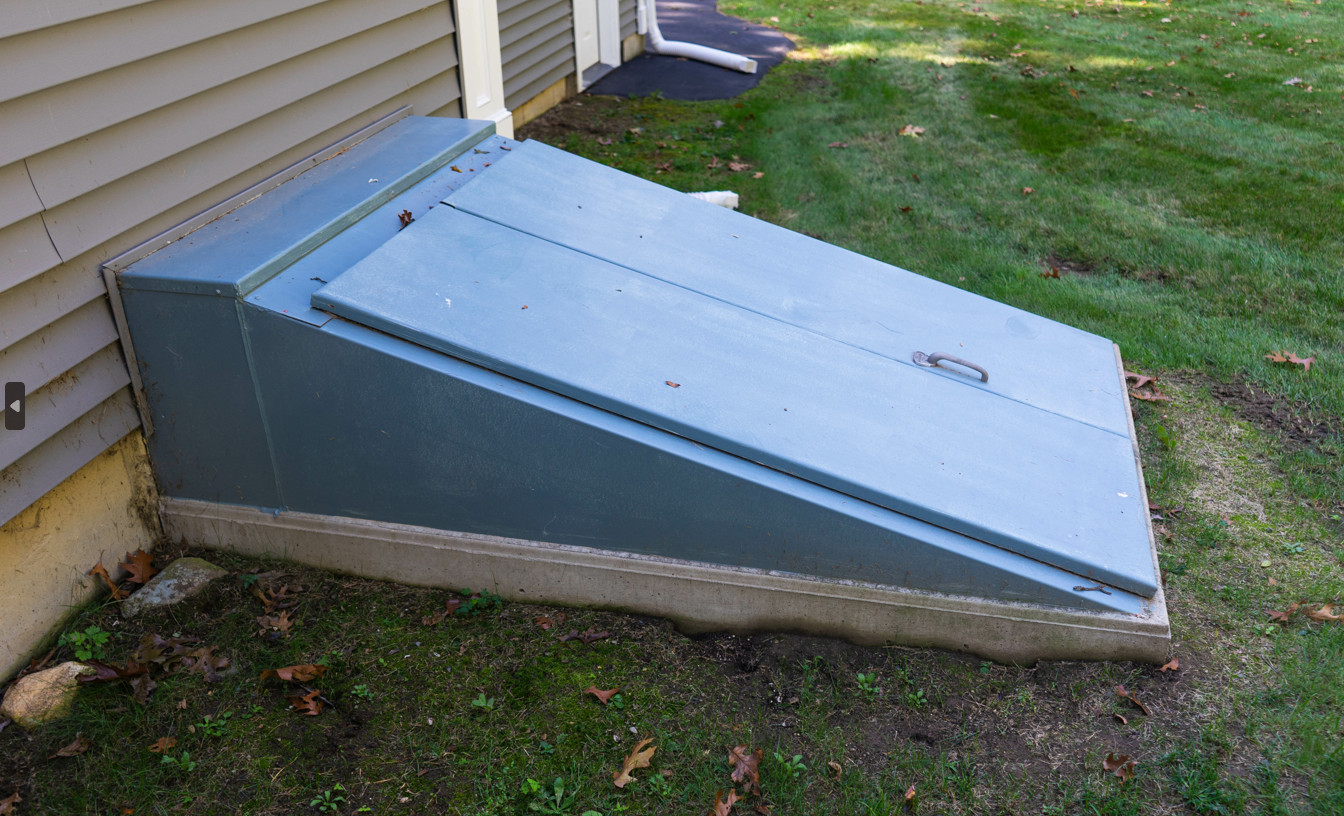
    Basement or Storm Cellar
    A basement or storm cellar is one of the best places to shelter during a tornado. If you don’t have a basement or cellar, try to find the lowest level of your home, such as a closet or bathroom, and get as far away from windows as possible.

    Interior Room
    If you’re in an area prone to hurricanes or severe thunderstorms, find an interior room with no windows. This can be a bathroom, closet, or hallway. Make sure to have a battery-operated radio or other communication device so you can stay informed about the storm’s progress.

    Community Shelter
    Many communities have designated shelters for severe weather events. Check with your local government or emergency management office to find out where your nearest shelter is located.

    Public Buildings
    If you’re away from home when severe weather strikes, seek shelter in a public building such as a library, school, or government building. These buildings are often built to withstand severe weather and may have designated shelter areas.

    High Ground
    If you’re in an area prone to flooding, seek high ground immediately. Do not attempt to drive through flooded areas, as even shallow water can sweep away cars.

    RV / Mobile Home Park Shelter
    If you live in a mobile home or RV, seek shelter in a designated shelter area within your park or community. These areas are often built to withstand severe weather and can provide a safe place to ride out a storm.

    No matter where you find shelter during severe weather, it’s important to stay informed and follow the instructions of local authorities. Stay safe and be prepared for any type of severe weather event.
  • Lightning Safety Tips

    Lightning Safety Tips

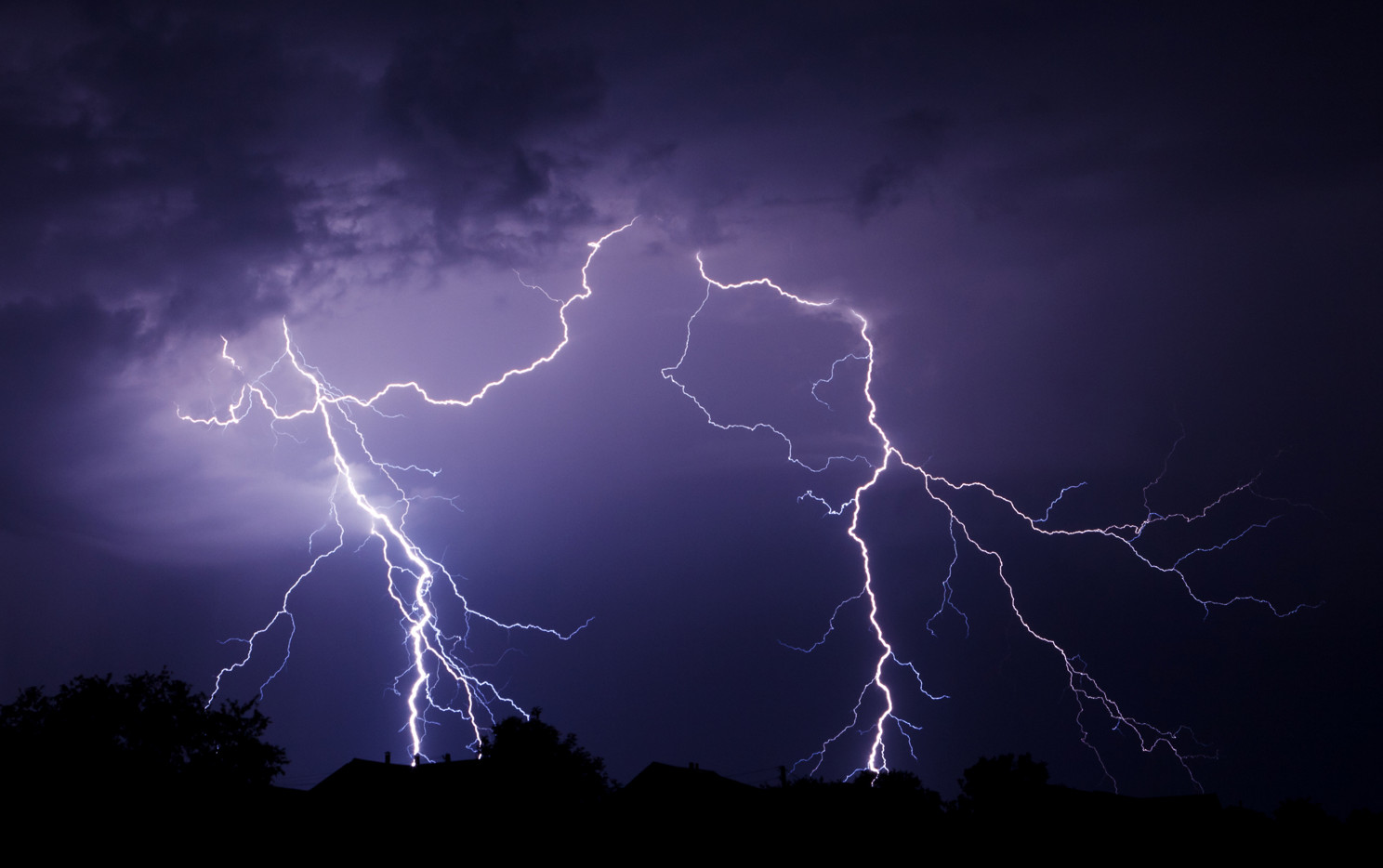
    In our continuing series related to Severe Weather Awareness Week, we talk about lightning safety.  If you find yourself caught in a thunderstorm, there are several things you can do to stay safe from lightning strikes. Here are some lightning safety tips:

    1. Seek Shelter: The best way to protect yourself from lightning is to seek shelter in a sturdy building. Stay inside until the storm has passed and avoid using electrical appliances or plumbing during the storm.
    2. Avoid Open Spaces: If you are caught outside during a thunderstorm, avoid open spaces and tall structures such as trees, poles, and fences. These objects can attract lightning and increase the risk of a strike.
    3. Stay Low: If you cannot find shelter during a thunderstorm, stay low to the ground. Crouch down and place your hands on your knees, with your feet close together. This will minimize your contact with the ground and reduce the risk of a lightning strike.
    4. Don’t Touch Metal: During a thunderstorm, avoid touching metal objects such as fences, metal poles, and bicycles. These objects can conduct electricity and increase the risk of a lightning strike.
    5. Wait It Out: If you are in a car during a thunderstorm, avoid parking under trees or other tall objects. Stay in the car with the windows closed and wait until the storm has passed before getting out.
  • Understanding Tornado Sirens

    Understanding Tornado Sirens

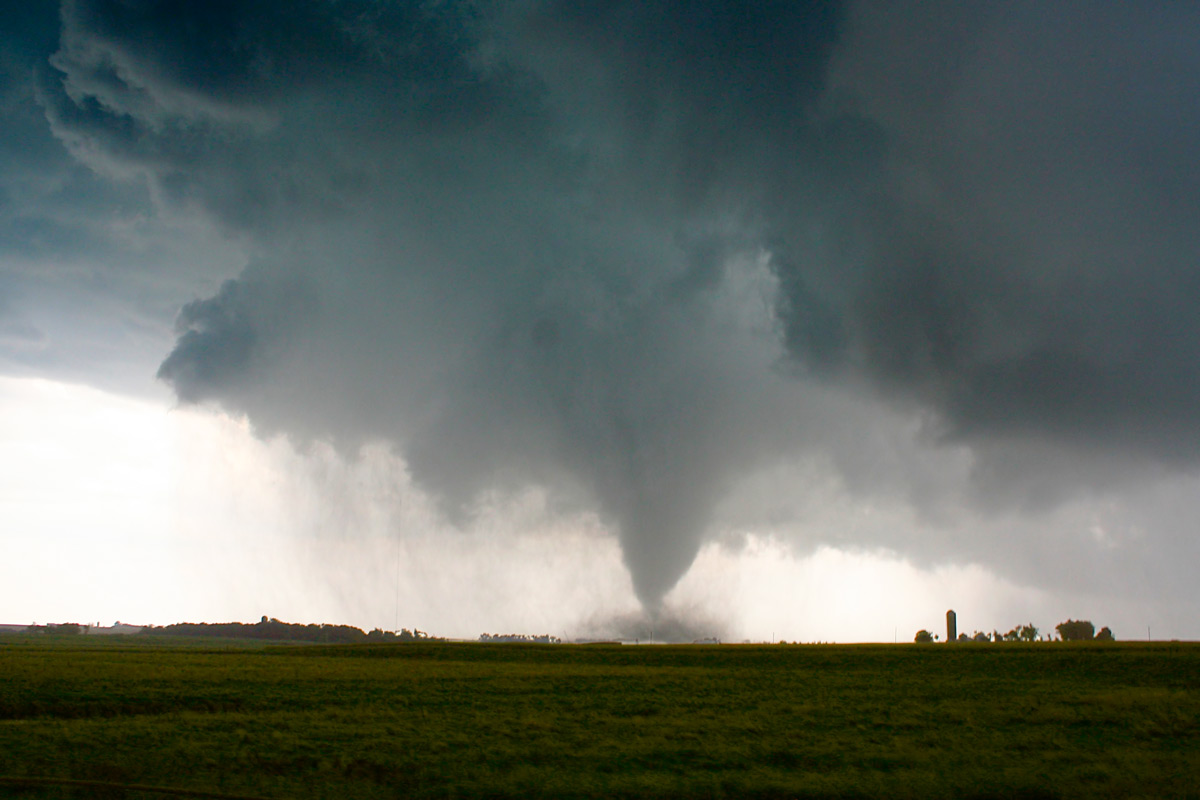
    When the serene soundscape of our community is pierced by the wail of tornado sirens, it’s a stark reminder of nature’s formidable power. Tornadoes, often unpredictable and swift, pose significant threats to life and property. In such moments, knowing how to respond swiftly and decisively can make a crucial difference. Understanding tornado sirens and the associated safety protocols is paramount to ensuring the well-being of individuals and communities.

    Don’t be alarmed if you hear tornado sirens today, as there will be tests occurring throughout the state March 20th at 1:00PM.  However, Macomb County will not be testing/sounding alarms today, as they are tested monthly all year long.

    What Are Tornado Sirens?

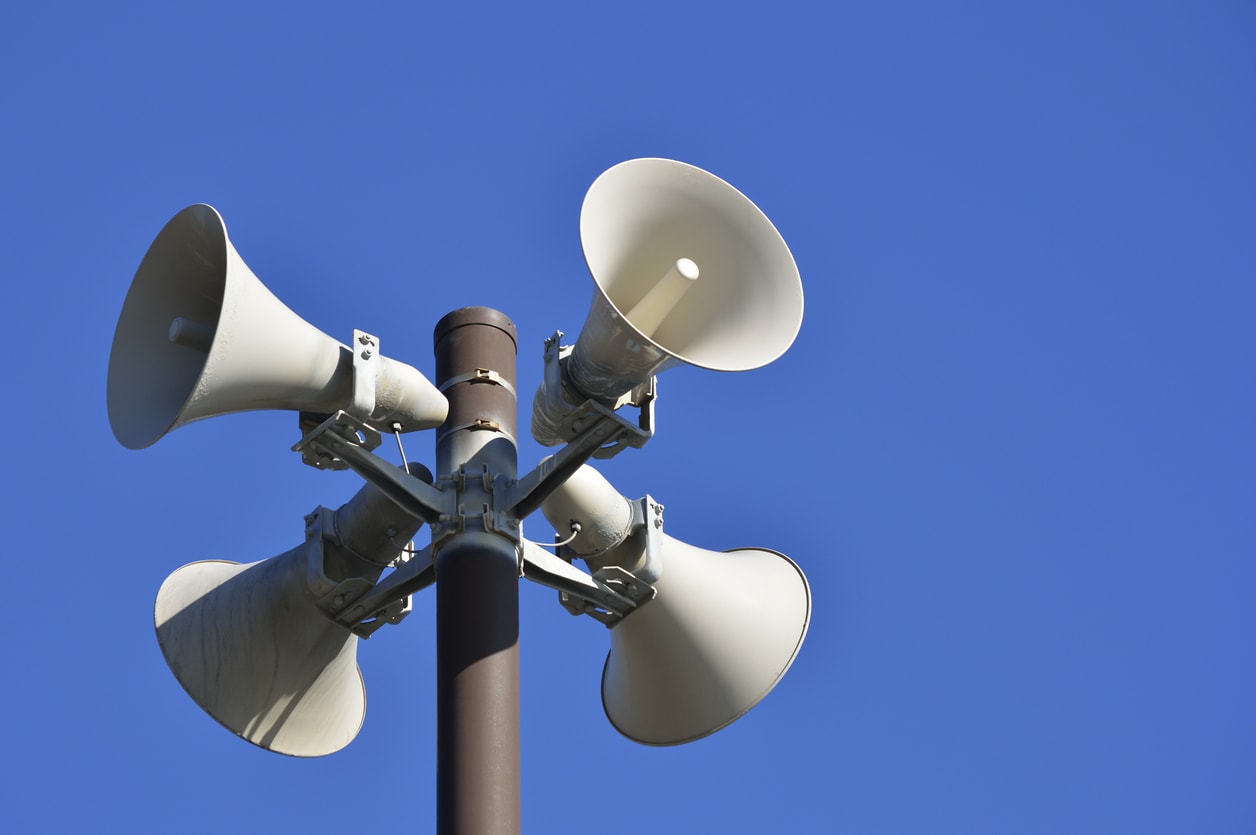
    Tornado sirens, also known as tornado warning sirens or civil defense sirens, are loud, high-pitched devices used to alert communities of impending tornadoes or severe weather conditions. Typically mounted on large poles or rooftops, these sirens emit a distinct sound designed to grab attention and prompt immediate action.

    What Do Tornado Sirens Signify?

    The activation of tornado sirens indicates that a tornado warning has been issued for the area. Tornado warnings are issued by meteorological agencies, such as the National Weather Service (NWS), when radar data or reliable spotters confirm the presence of a tornado or conditions conducive to tornado formation. It’s important to note that tornado sirens are not meant to be heard indoors; instead, they serve as an outdoor warning system.

    What to Do When Tornado Sirens Sound

    1. Take Immediate Shelter: Upon hearing tornado sirens, seek shelter immediately. If you’re indoors, move to the lowest level of the building, preferably a basement or storm cellar. If there is no basement, seek shelter in an interior room or hallway on the lowest floor, away from windows.
    2. Stay Informed: Tune in to local weather broadcasts or use weather alert apps to stay updated on the situation. The National Oceanic and Atmospheric Administration (NOAA) Weather Radio also provides continuous broadcasts of weather information, including tornado warnings.
    3. Have a Plan: Develop a tornado emergency plan for your household or workplace. Ensure that everyone knows where to go and what to do in the event of a tornado. Conduct regular drills to practice these procedures.
    4. Stay Put: Once you’re in a safe location, stay there until the tornado warning has expired or you receive an official “all clear” notification from local authorities. Avoid going outside to check the weather or watch for tornadoes, as this can put you at risk.
    5. Protect Yourself: If you’re caught outdoors and unable to reach shelter, seek low-lying ground away from vehicles, trees, and other potential hazards. Lie flat in a ditch or depression and cover your head with your hands for protection.
    6. Assist Others: Check on neighbors, especially those who may need assistance, such as elderly individuals or people with disabilities. Offer help if it’s safe to do so, but prioritize your own safety.

    Tornado sirens serve as vital warning systems, signaling the imminent danger posed by tornadoes. Understanding their significance and knowing how to respond promptly and appropriately can help save lives and minimize the impact of these destructive natural phenomena. By taking proactive measures, staying informed, and having a clear plan of action, individuals and communities can better protect themselves against the ravages of tornadoes. Remember, when tornado sirens sound, it’s time to take shelter and stay safe.

  • Get Alerts When Severe Weather Approaches

    Get Alerts When Severe Weather Approaches

    You need to know when severe weather is approaching!  Luckily there are now a variety of ways that you can be alerted when conditions are favorable for severe weather to strike!

    Local News
    One of the easiest ways to stay aware of sever weather conditions, is to tune into your local TV news.  Chances are, if severe weather is approaching, they will preempt regular programming to keep you alerted of quickly changing conditions.

    Radio Stations
    Most local weather stations (especially talk radio stations) provide regular weather updates on the hour or more frequently.  If you are in your car, you can easily learn of severe weather conditions at regular intervals in the broadcast.

    Weather Websites
    Whether it be websites dedicated to providing weather forecasts (weather.com, weather.gov, weatherbug.com, wunderground.com) or local news station websites (wxyz.com, clickondetroit.com, fox2detroit.com), you can quickly find weather forecasts and warnings for your specific area.

    Cell Phone Apps
    There are a variety of apps available for your cellphone that not only allow you to view the forecast, but also alert you of severe weather approaching.  Most phones will have a built-in weather app, but if you are looking for more details and alerts, some of the apps available include: Storm Shield, Storm Tracker, 4WARN Weather, FOX2 Weather App, and NOAA Weather Radar & Alerts.

    NOAA Weather Radio
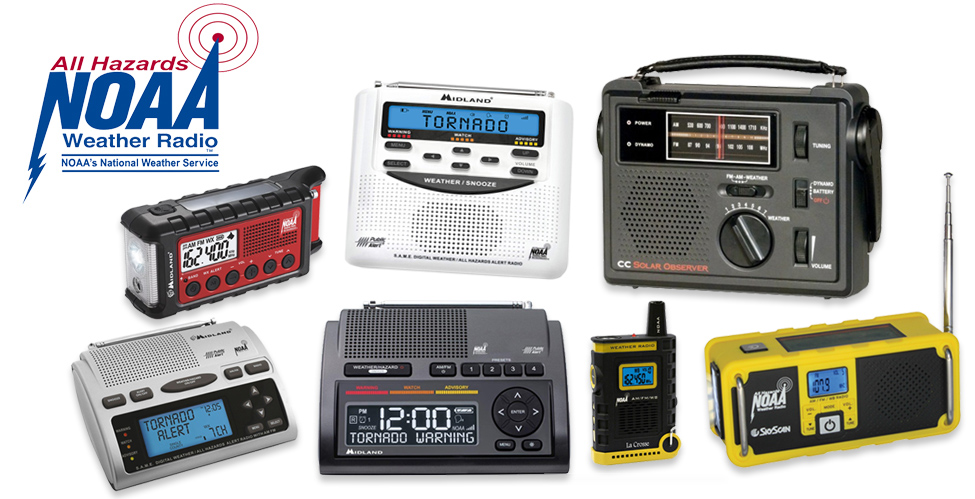
    You may want to consider picking up a NOAA weather alert radio for your home or workplace. This tried-and-true method of alerting you of severe weather doesn’t require a cell phone, TV or other specialized device.  These devices often have a battery powered backup, so they will even keep you informed of severe weather if you lose power in your home. NOAA weather radios are available at a variety of retail stores, or even at your favorite online retailer.

    Stay alert, stay safe!

  • What Is the Difference Between a Storm Watch, Warning, and Advisory?

    What Is the Difference Between a Storm Watch, Warning, and Advisory?

    This week is Severe Weather Awareness Week in Michigan. The Chesterfield Fire Department wants everyone to know how to be safe at home, work, and outside.  As such, throughout the week we will be posting topics about weather safety. Today we look at the differences between a Warning, Watch or Advisory.

    Watches, Warnings & Advisories

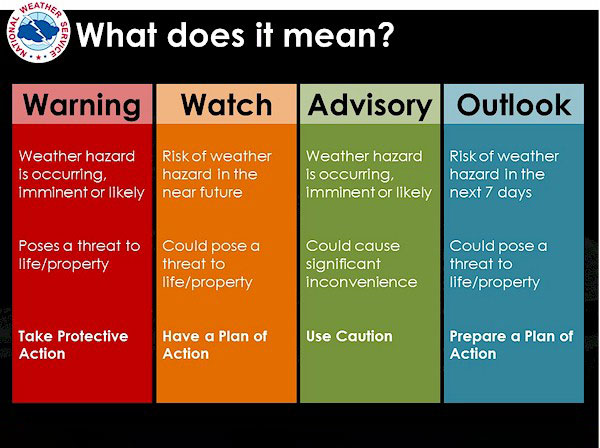
    Normally, a Storm Watch will be issued in advance of the storm (usually at least 24 hours). It indicates the risk of a hazardous weather event has increased (at least a 50% chance of it occurring), but its occurrence, location, and/or timing is still uncertain. It is intended to provide enough lead time so you can make plans to stay safe.

    As the event becomes imminent, a watch will normally be upgraded to either a warning or an advisory (which indicates an 80% or greater probability of occurence). A Warning indicates that conditions pose a threat to life or property, and that travel will become difficult to impossible. An Advisory indicates conditions pose a significant inconvenience, and if caution is not exercised, could lead to situations that may threaten life and/or property.

    Remember to always be aware of the weather, and be sure your family knows what to do as well!

  • Fire Fighter Friday – “The Irons” with Captain Mike Scalici

    Fire Fighter Friday – “The Irons” with Captain Mike Scalici

    Join the Chesterfield Fire Department for Fire Fighter Friday, a special online series in which we share some information about what we do and the tools of the trade.

  • Introducing Fire Fighter Friday

    Introducing Fire Fighter Friday

    Join the Chesterfield Fire Department for Fire Fighter Friday, a special online series in which we share some information about what we do and the tools of the trade.