Category: Safety Tips
-
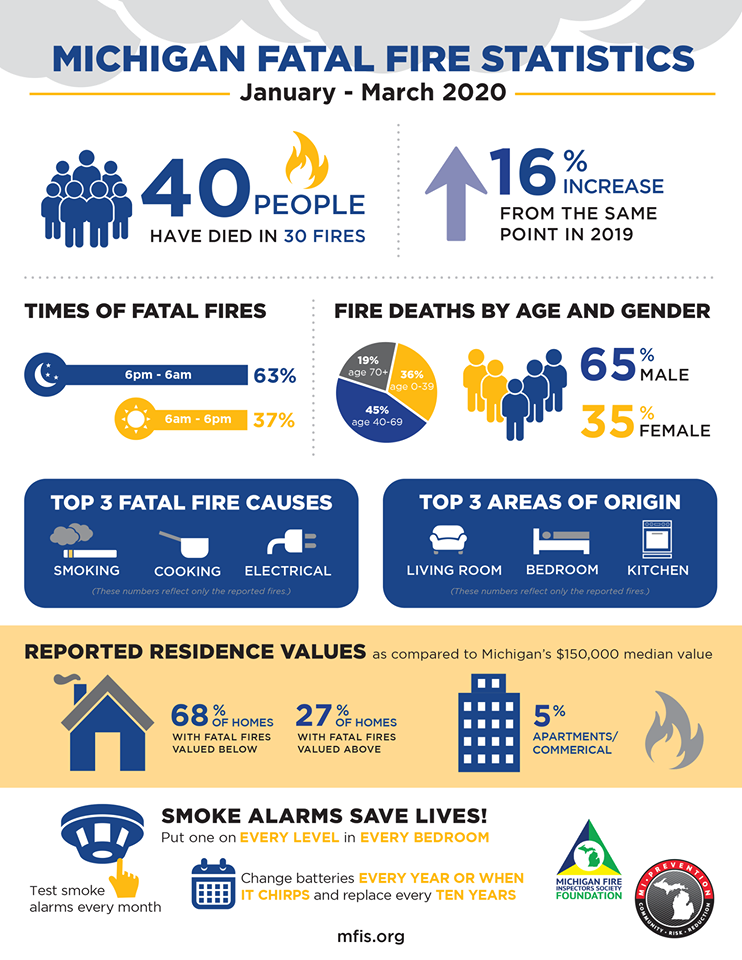
Michigan Fatal Fire Statistics
As we shelter at home to protect each other and reduce the spread of COVID 19, the Chesterfield Fire Department wants to remind you that other risks to your home still exist!
Being at home gives us a great opportunity to focus on protection. In the next weeks, we will share good information on fire safety, sever weather, security, and other concerns for your family.
Sadly, Michigan leads the country in fire deaths for 2020. We are sharing some statistics from the Michigan Fire Inspectors and MI-Prevention. Please discuss this with your family and watch for future information from us!
Be safe, be healthy!!
-
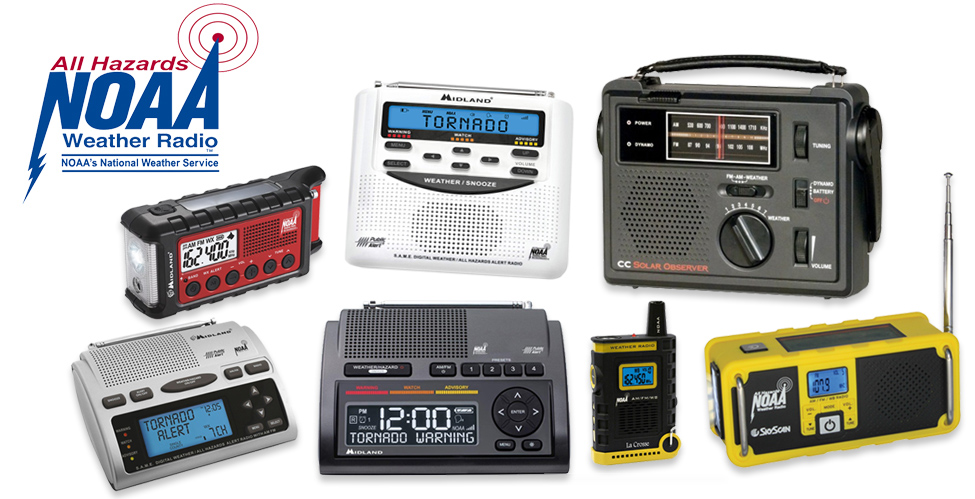
Be Prepared With a NOAA Weather Alert Radio
The recent tragedy in greater Nashville reminds us that severe weather season is approaching. Sadly, most people do not have the ability to be awakened and alerted of severe weather when they are asleep. Consider picking up a NOAA weather alert radio for your home or workplace. You can also select one of several smart phone apps that will alert when severe weather is approaching your area.
Stay alert, stay safe!
-
National Preparedness Month
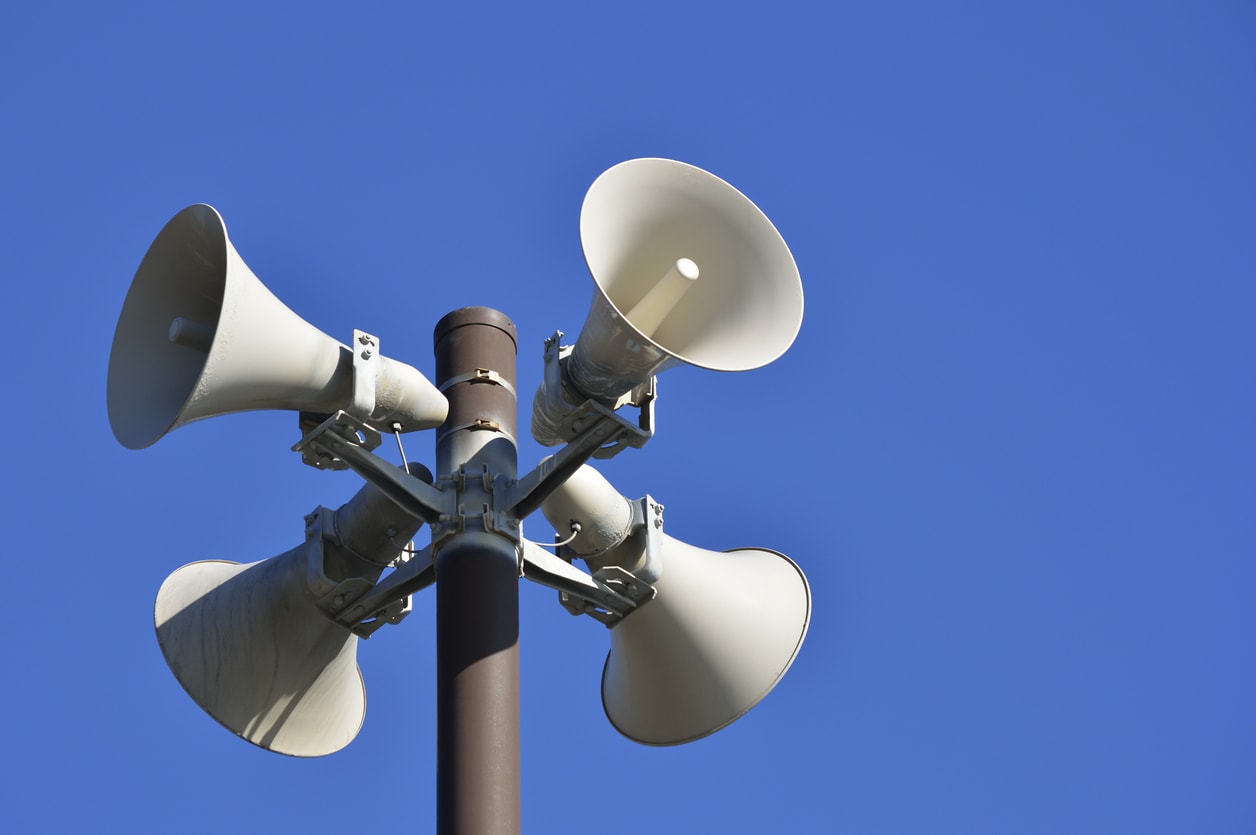
If you are close to Selfridge ANG Base and you suddenly start hearing voices…don’t worry. Every Wednesday at noon the base will test its outdoor notification system. The “Big Voice” is commonly used at military installations, colleges, sports venues, and other outdoor facilities to give directions in an emergency. They will also test their system on the first Saturday of each month at 1pm along with our countywide siren test.
This month is National Preparedness Month. Getting information in an emergency is vital. Know how to find out what is happening from a reputable source no matter where you are. Cell phone apps, text notifications, weather alert radios, TV, and radio are good starts. Please do not use 911 as a way to find out what is happening! Keep phone lines open for emergencies. Instead, call a friend or family member to confirm an emergency. For more information, go to www.FEMA.gov
-
Michigan Bureau of Fire Services Lists Recalls Due To Fire Hazards
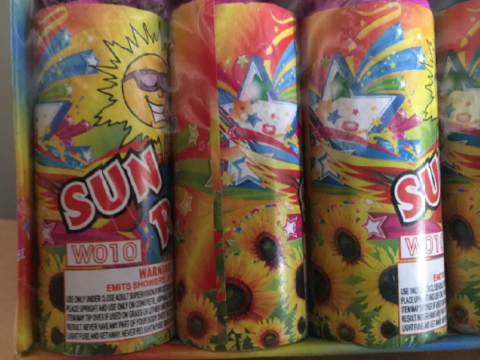
The Michigan Bureau of Fire Services has listed 8 new recalls. With Independence Day fast approaching, please note that many of these recalls are related to fireworks.
For your safety and information, they are listed below:
- Grandma’s Fireworks Recalls Fireworks Due to Violation of Federal Standards
- GS Fireworks Recalls Fireworks Due to Violation of Federal Standards
- H.E. Industrial Recalls Electric Garage Heaters Due to Fire Hazard
- Honeywell Recalls Gamewell-FCI and Notifier Photoelectric Smoke Sensors
- Hunter Fan Recalls Brunswick Three and Four Light Ceiling Fans Due to Shock Hazard
- Keystone Recalls G-Force Fireworks Due to Violation of Federal Standard
- Patriot Pyrotechnics/Bill’s Fireworks Recalls Fireworks Due to Violation of Federal Standards
- QTOP USA Recalls LED Work Light Replacement Bulbs Due to Fire Hazard
-
SLOW NO WAKE ZONES
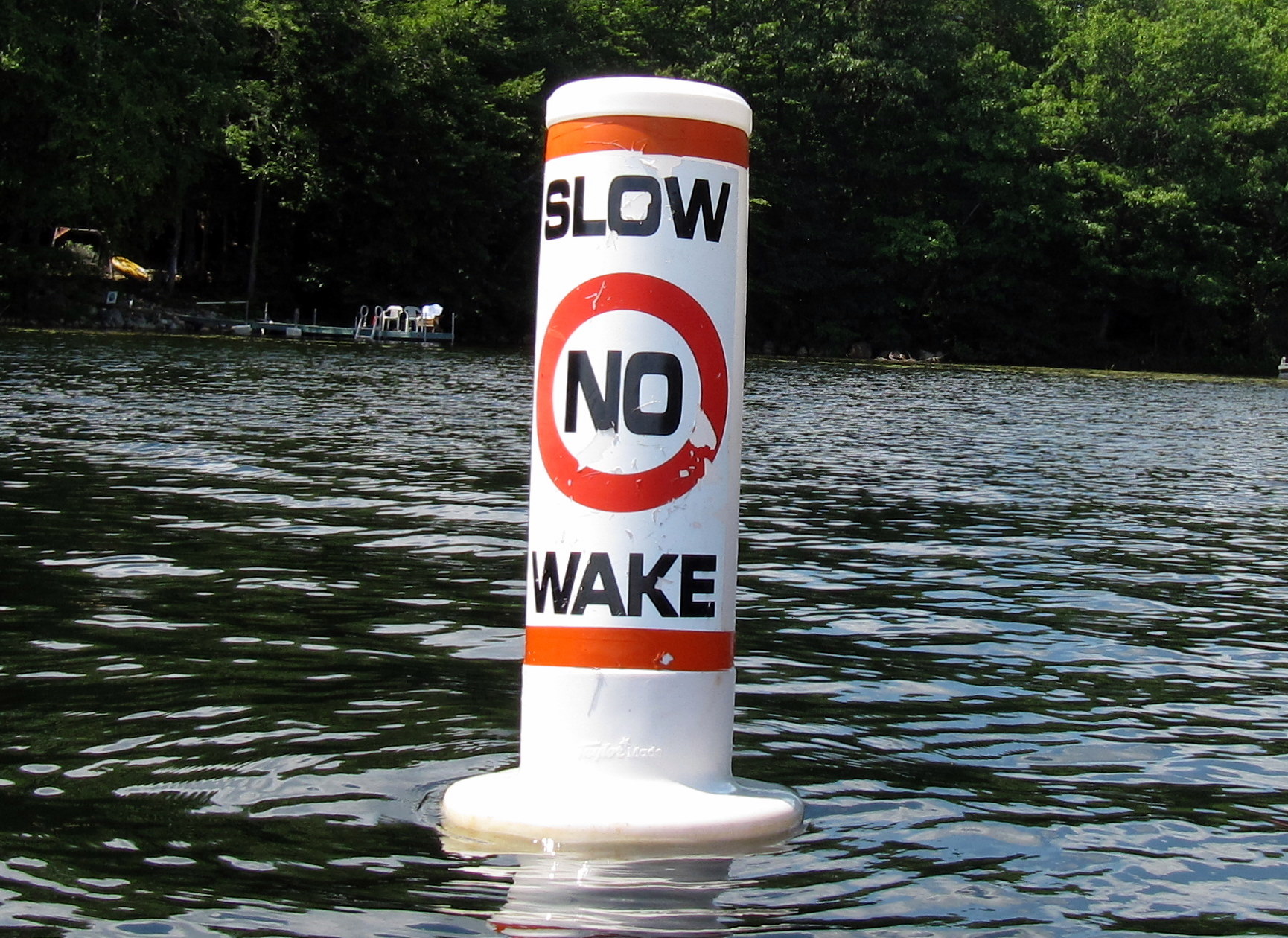
With the incredibly high water we are experiencing in the area, the Chesterfield Public Safety Department would like to remind all boaters of the importance of “Slow No Wake Areas”.
STATE LAW prohibits watercraft from operating at speeds above “Slow No Wake” in any of the following areas:
- Within 100 feet of shore
- Within 100 feet of a dock or raft
- Within 100 feet from an anchored vessel or swimmer
- Within 100 feet from a marked swim area
- ANYWHERE ON THE CLINTON RIVER
- ANYWHERE ON THE BLACK CREEK
- ANYWHERE ON THE SALT RIVER
- Within 600 ftt of shore (from 11 Mile, south to the Macomb/Wayne County border)
In addition to the possibility of a Civil Infraction Fine, under state law, the operator/owner of the vessel is responsible for his or her wake, and is RESPONSIBLE FOR ANY DAMAGE their wake may cause.
To see a complete listing of Special Local Watercraft Controls (Slow No Wake Areas) for Macomb County visit
https://www.michigan.gov/dnr/0,4570,7-350-79136_79772_79773_83491-38771–,00.html
-
Flood Damage Information
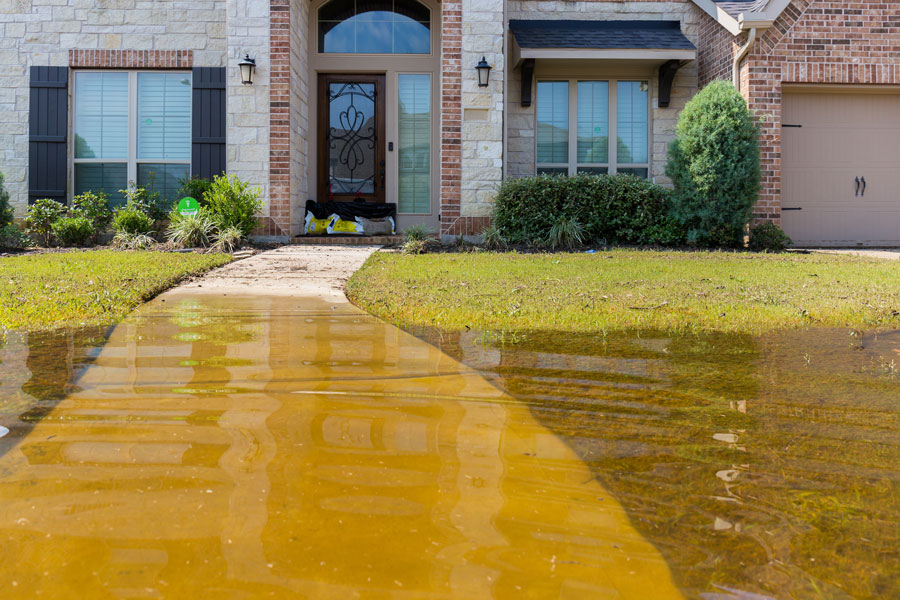
Before the waters rise…..Prepare!
- Move all items on the lowest level off the floor and up above the potential water depth. (2-3 feet)
- Video record or photograph your home and the contents for a possible insurance claim.
- Contact your insurance agent and ask about flooding.
- Un-plug electrical appliances not being used in the low areas.
- Obtain and fill sandbags. (see the townships web site on locations)!
- Consider pumps for dewatering.
- Shut off circuit breakers to low areas of your home not being used such as the basement, crawl space, and outside outlets.
- Relocate animals and crates or Kennels to high ground.
- Secure valuables and important documents in waterproof containers.
- Gather up valuables that you will need/want if you have to leave your home.
After the water rises……Act!
- Do not enter water unless you are sure that the power is off.
- Wear rubber boots with good traction. Be careful of wet uneven ground.
- Use rubber or plastic gloves if working or de-watering.
- If standing in water for more than a few minutes, be aware of Hypothermia. Cold water can reduce your body temperature.
- Do not run gas powered pumps, fans, or generators inside of a building. Carbon Monoxide gas from the fuel can kill.
- Do not let power cords for pumps or tools contact water.
- Flood water should be considered contaminated. Wash and disinfect all surfaces and tools that come in contact with flood water.
- Be sure to wash / shower or bathe after contact with flood waters.
- Dispose of any food and or medications that come in contact with flood waters.
- Clothes, toys, cloth surfaced objects that come in contact with flood waters should be thoroughly washed, or disposed of.
- Furniture, carpet, padding or any “sponge Like” items that have been in flood waters may need to be disposed of.
- Wear a life jacket or PFD if working in or near flood waters.
- Never try to walk through fast moving waters.
- Never drive through flood waters.
For more information, go to www.FEMA.gov or contact your insurance provider.