Category: Safety Tips

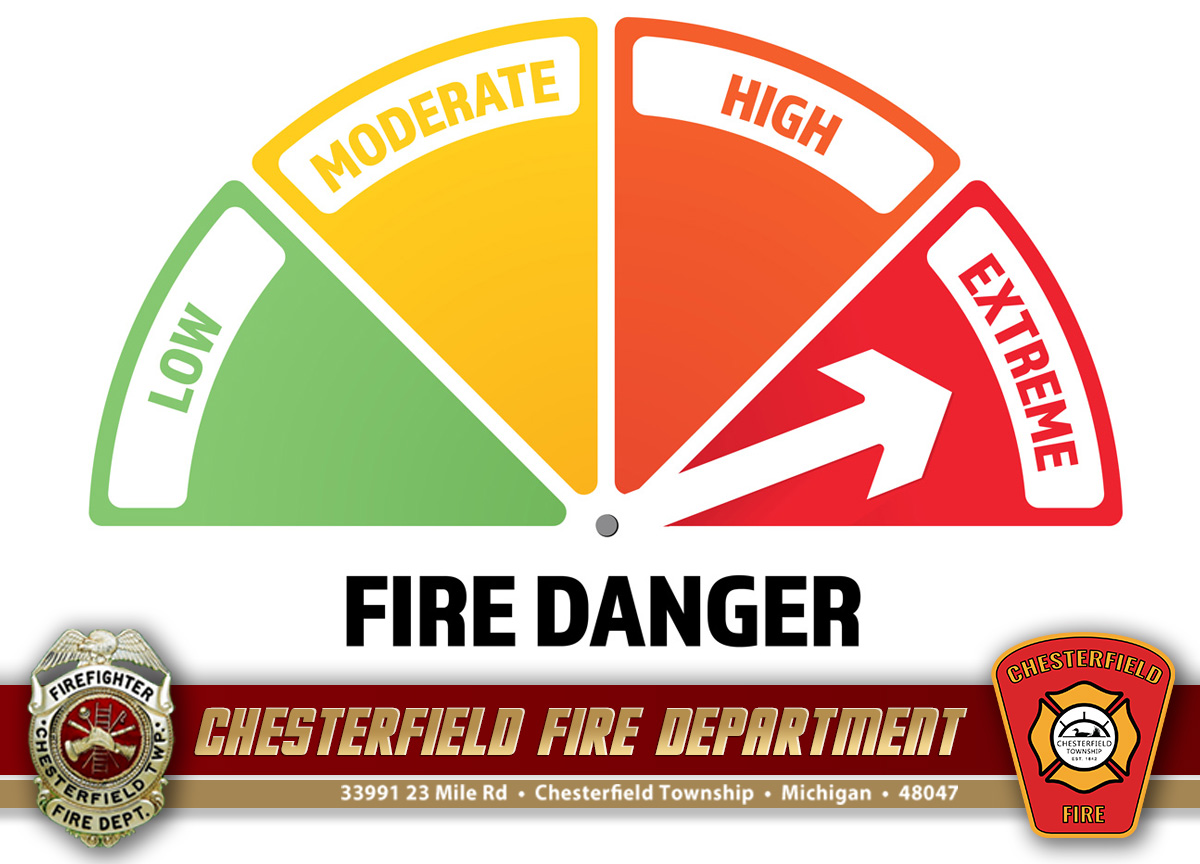
  • Fire Danger Is Extremely High In Our Area

    Fire Danger Is Extremely High In Our Area

    Always Keep Fire Safety In Mind

    Due to recent weather conditions, the threat level for fire danger is EXTREME in our area!

    Use these tips to keep your outdoor activities fire safe:

    • Keep a hose or other water source nearby when burning.
    • Prevent sparks. Keep trailer chains from dragging when you’re on the road; don’t park hot equipment on dry grass.
    • Contain your bonfire in a patio wood-burning unit and make sure you put it out thoroughly before going inside for the night. Douse the fire with water, stir the ashes and douse again, and replace the covering screen when finished.
    • Never leave any fire, including hot coals, unattended.
    • Never shoot fireworks into the woods, dry grass or shrubs.

  • Church Security Awareness Training

    Church Security Awareness Training

    On June 25th the Chesterfield Department of Public Safety conducted Church Security Awareness training.

    This training was offered to churches within Chesterfield Township and covered the following topics:

    • Securing the gathering, without the loss of a welcoming experience
    • Legal requirements of inviting people to a gathering
    • Fire prevention and inspection
    • Simple and economical ways to provide security within a small faith community
    • Selecting and training security
    • When to contact law enforcement over a threat or concern
    • What to expect when police arrive for an active threat scene

    As your Department of Public Safety we strive to provide protection and knowledge to the citizens, businesses, and places of worship in Chesterfield Township.

    We appreciate those who participated in this educational session and look forward to hosting this training again on August 20, 2022. If you have any questions please contact the Chesterfield Township Department of Public Safety at 586-949-2322.

  • Look Listen Learn to Prevent Fires

    Look Listen Learn to Prevent Fires

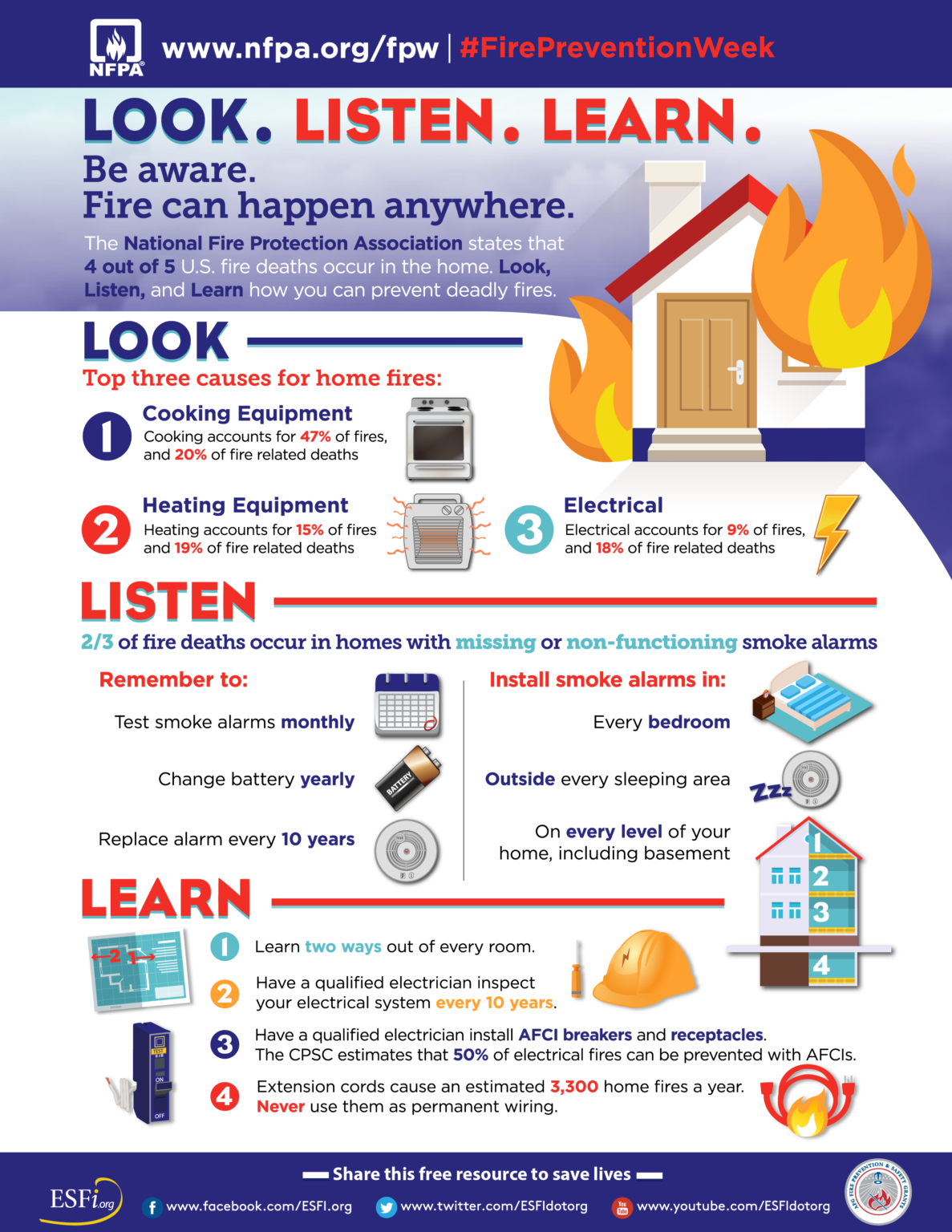
    Look. Listen. Learn. Be aware. Fire can happen anywhere. The National Fire Protection Association states that 4 out of 5 U.S. fire deaths occur in the home. Look, Listen, and Learn how you can prevent deadly fires.

    Look

    Top three causes for home fires:

    1. Cooking Equipment
      Cooking accounts for 47% of fires, and 20% of fire-related deaths
    2. Heating Equipment
      Heating accounts for 15% of fires and 19% of fire-related deaths
    3. Electrical
      Electrical accounts for 9% of fires, and 18% of fire-related deaths

    Listen

    2/3 of fire deaths occur in homes with missing or non-functioning smoke alarms

    Remember to:

    • Test smoke alarms monthly
    • Change battery yearly
    • Replace alarm every 10 years

    Install smoke alarms in:

    • Every bedroom
    • Outside every sleeping area
    • On every level of your home, including the basement

    Learn 

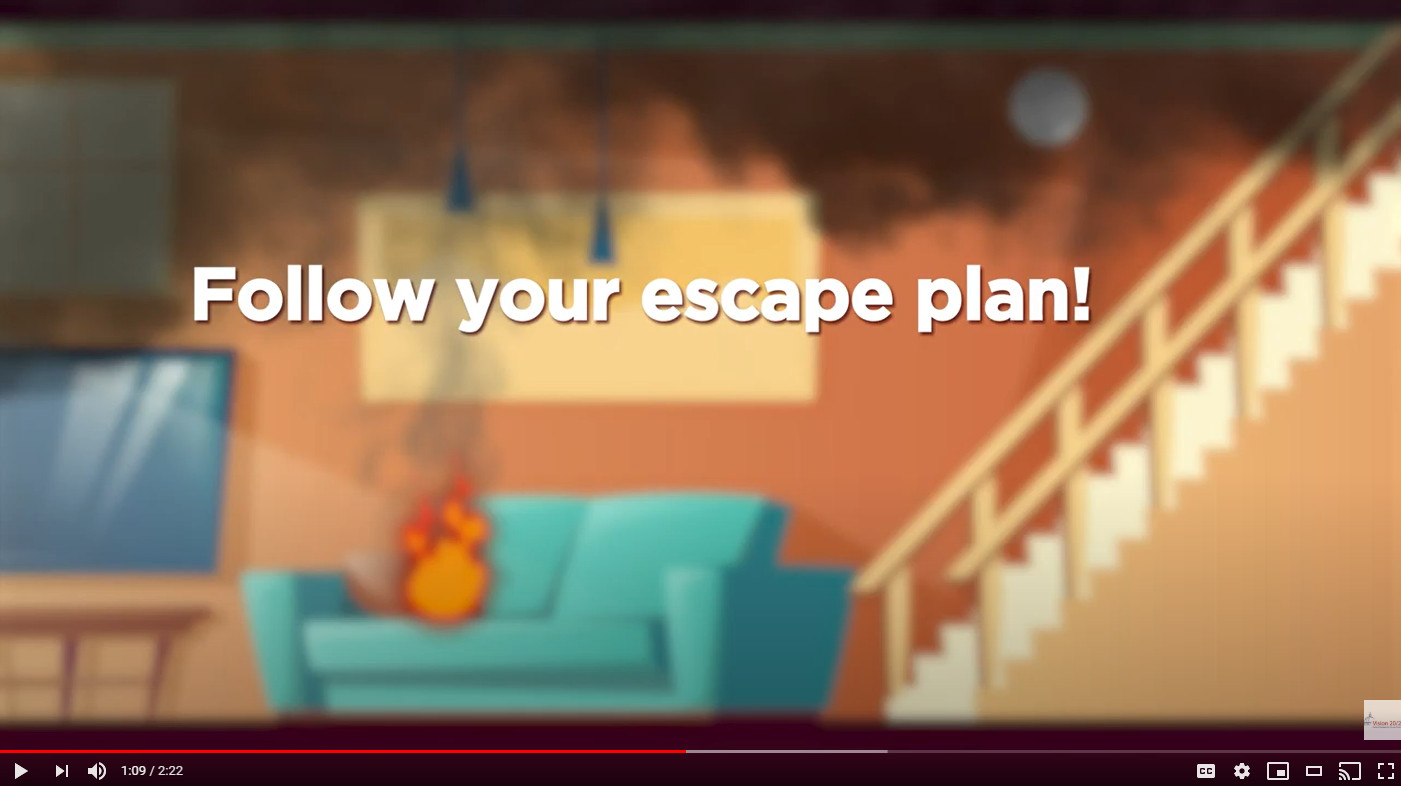
    1. Learn two ways out of every room
    2. Have a qualified electrician inspect your electrical system every 10 years
    3. Have a qualified electrical install AFCI breakers and receptacles. The CPSC estimates that 50% of electrical fires can be prevented with AFCIs.
    4. Extension cords cause an estimated 3,300 home fires a year. Never use them as permanent wiring.
  • AFCIs: Protecting Your Home From Fires

    AFCIs: Protecting Your Home From Fires

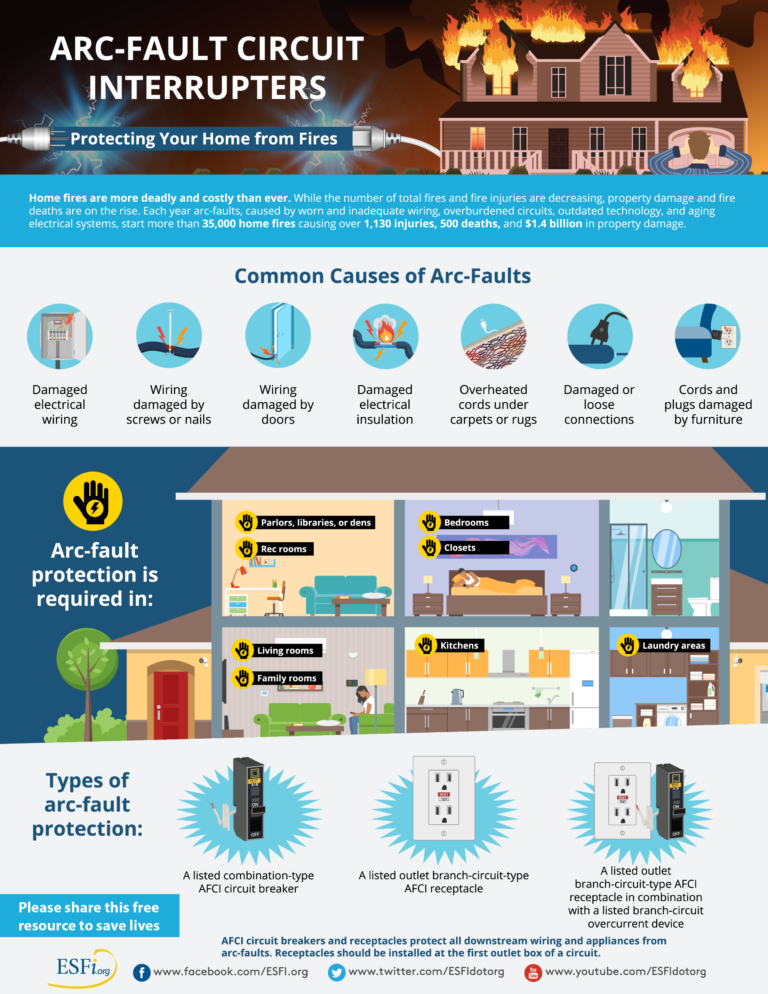
    Home fires are more deadly and costly than ever. While the number of total fires and fire injuries is decreasing, property damage and fire deaths are on the rise. Each year arc-faults, caused by worn and inadequate wiring, overburdened circuits, outdated technology, and aging electrical systems, start more than 35,000 home fires causing over 1,130 injuries, 500 deaths, and $1.4 billion in property damage.

    Common Causes of Arc-Faults:

    • Damaged electrical wiring
    • Wiring damaged by screws or nails
    • Wiring damaged by doors
    • Damaged electrical insulation
    • Overheated cords under carpets or rugs
    • Damaged or loose connections
    • Cords and plugs damaged by furniture

    Arc-Fault Protection is Required in:

    • Bedrooms
    • Closets
    • Kitchens
    • Laundry areas
    • Living rooms
    • Family rooms
    • Rec rooms
    • Parlors, libraries, or dens

    Types of Arc-Fault Protection:

    • A listed combination-type AFCI circuit breaker
    • A listed outlet branch-circuit-type AFCI receptacle
    • A listed outlet branch-circuit-type AFCI receptacle in combination with a listed branch-circuit overcurrent device

    AFCI breakers and receptacles protect all downstream wiring and appliances from arc-faults. Receptacles should be installed at the first outlet box of a circuit.

  • Extension Cord Safety Tips

    Extension Cord Safety Tips

    Not enough cord for your lamp or radio to reach the nearest outlet? Just plowing through the junk drawer for an extension cord? This may not be a good idea. Extension cords can be very helpful in delivering power right where we need it. However, regardless of the gauge or rating of the cord, an extension cord is a temporary solution and is not meant to be used as a long-term extension of your household’s electrical system.

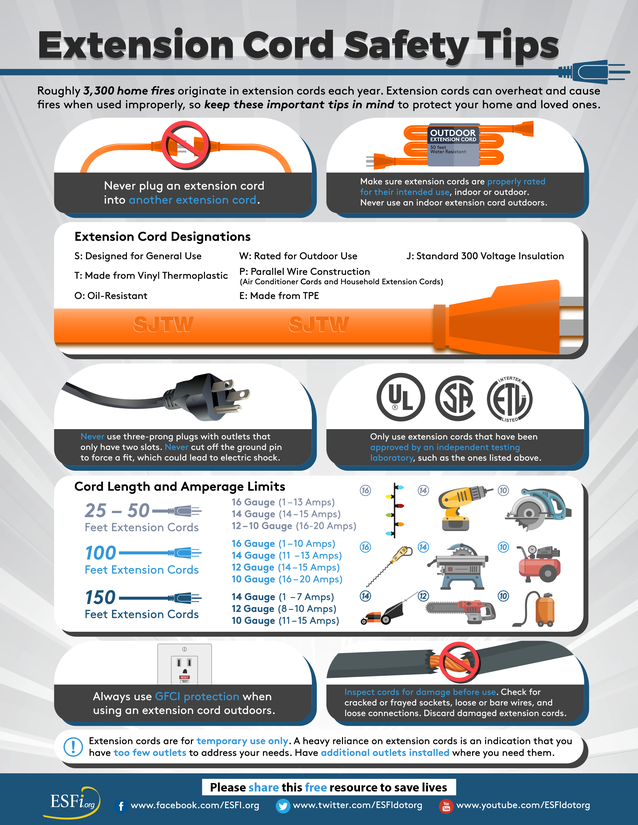
    Using extension cords properly is critical to your safety. With continu­ous use over time, an extension cord can rapidly deteriorate, creating a potentially dangerous electric shock or fire hazard. The Electrical Safety Foundation International (ESFI) offers the following tips for staying safe from electric shock and electrical fires:

    • Do not overload extension cords or allow them to run through water or snow on the ground.
    • Do not substitute extension cords for permanent wiring.
    • Do not run through walls, doorways, ceilings, or floors. If a cord is covered, heat cannot escape, which may result in a fire hazard.
    • Do not use an extension cord for more than one appliance.
    • Heavy reliance on extension cords is an indication that you have too few outlets to address your needs. Have additional outlets installed where you need them.
    • Multiple plug outlets must be plugged directly into mounted electrical receptacles; they cannot be chained together.
    • Make sure the extension cord or temporary power strip you use is rated for the products to be plugged in, and is marked for either indoor or outdoor use.
    • The appliance or tool that you are using the cord with will have a wattage rating on it. Match this up with your extension cord, and do not use a cord that has a lower rating.
    • Never use a cord that feels hot or is damaged in any way. Touching even a single exposed strand can give you an electric shock or burn.
    • Never use three-prong plugs with outlets that only have two slots for the plug. Do not cut off the ground pin to force a fit. This defeats the purpose of a three-prong plug and could lead to an electrical shock. Never force a plug into an outlet if it doesn’t fit.
    • Use extension cords with polarized and/or three-prong plugs.
    • Buy only cords approved by an independent testing laboratory, such as Underwriters Laboratories (UL), Intertek (ETL), or Canadian Standards Association (CSA).
  • It’s Fire Prevention Week!

    It’s Fire Prevention Week!

    Since 1922, the NFPA has sponsored the public observance of Fire Prevention Week. In 1925, President Calvin Coolidge proclaimed Fire Prevention Week a national observance, making it the longest-running public health observance in our country. During Fire Prevention Week, children, adults, and teachers learn how to stay safe in case of a fire. Firefighters provide lifesaving public education in an effort to drastically decrease casualties caused by fires.

    Fire Prevention Week is observed each year during the week of October 9th in commemoration of the Great Chicago Fire, which began on October 8, 1871, and caused devastating damage. This horrific conflagration killed more than 250 people, left 100,000 homeless, destroyed more than 17,400 structures, and burned more than 2,000 acres of land.The Chesterfield Township Fire Department commemorates National Fire Prevention Week each year with an Open House!  At this event, we take the opportunity to educate the public on fire safety, fire prevention tips, and have some fun showing them some of our tools-of-the-trade.

    We hope to see as many people as possible THIS SUNDAY at Station 1 on 22 Mile Rd, just west of Gratiot.

  • Protect Your Family During the Catastrophic Winter Storms

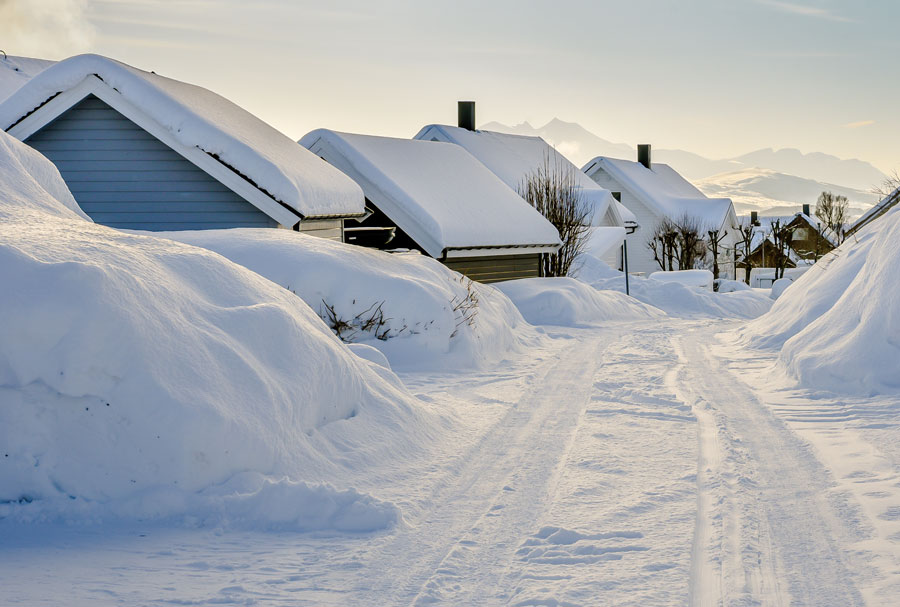
    Protect Your Family During the Catastrophic Winter Storms

    As catastrophic winter storms continue to rage across the United States, millions of consumers are without power in dangerously low temperatures.  If you use portable generators or other combustion devices for sources of power and heat, you are at increased risk of carbon monoxide (CO) poisoning and fire.  Dozens of storm-related fatalities have been reported, including deaths from carbon monoxide (CO) poisoning, after consumers operated generators or charcoal grills inside their homes, or ran cars inside their garages trying to stay warm.

    The U.S. Consumer Product Safety Commission (CPSC) is warning consumers to protect themselves against carbon monoxide poisoning and fires.  Poisonous carbon monoxide from a portable generator can kill you and your family in minutes.  CO is an invisible killer.  It’s colorless and odorless.  According to the Centers for Disease Control (CDC), more than 400 people die each year in the United States from CO poisoning.  CPSC estimates about 70 consumers die each year from CO poisoning caused by portable generators.

    Follow CPSC’s safety tips below to help keep your family safe:

    PORTABLE GENERATORS:

    • Operate portable generators OUTSIDE ONLY, at least 20 feet away from the house; and direct the generator’s exhaust away from the home and any other buildings that someone could enter.
    • NEVER operate a portable generator inside a home, garage, basement, crawlspace, shed, or on the porch.  Opening doors or windows will not provide enough ventilation to prevent the buildup of lethal levels of CO.
    • CO poisoning from portable generators can happen so quickly that exposed persons may become unconscious before recognizing the symptoms of nausea, dizziness or weakness.

    SMOKE AND CO ALARMS:

    • Press the test button to make sure CO and smoke alarms in your home are working properly, and replace batteries, if needed.
    • Install battery-operated CO alarms or CO alarms with battery backup in your home, outside separate sleeping areas, and on each floor of your home.
    • Never ignore carbon monoxide and smoke alarms when they sound.  Get outside immediately.  Then call 911.

    CHARCOAL DANGER:

    •  Never use charcoal indoors.  Burning charcoal in an enclosed space can produce lethal levels of carbon monoxide.  Do not cook on a charcoal grill in a garage, even with the door open.

    CANDLES:

    • Use caution when burning candles.  Use flashlights instead.  If you must use candles, do not burn them on or near anything that can catch fire.  Never leave burning candles unattended.  Extinguish candles when you leave the room and before sleeping.

    Remember, as you deal with the storm’s havoc, stay informed, take action and be safe!

    Information Courtesy of the U.S. CPSC
    The U.S. Consumer Product Safety Commission (CPSC) is charged with protecting the public from unreasonable risks of injury or death associated with the use of thousands of types of consumer products. Deaths, injuries, and property damage from consumer product incidents cost the nation more than $1 trillion annually. CPSC’s work to ensure the safety of consumer products has contributed to a decline in the rate of deaths and injuries associated with consumer products over the past 40 years.

  • December Smoke Alarm Giveaway

    December Smoke Alarm Giveaway

    Smoke Alarm Giveaway

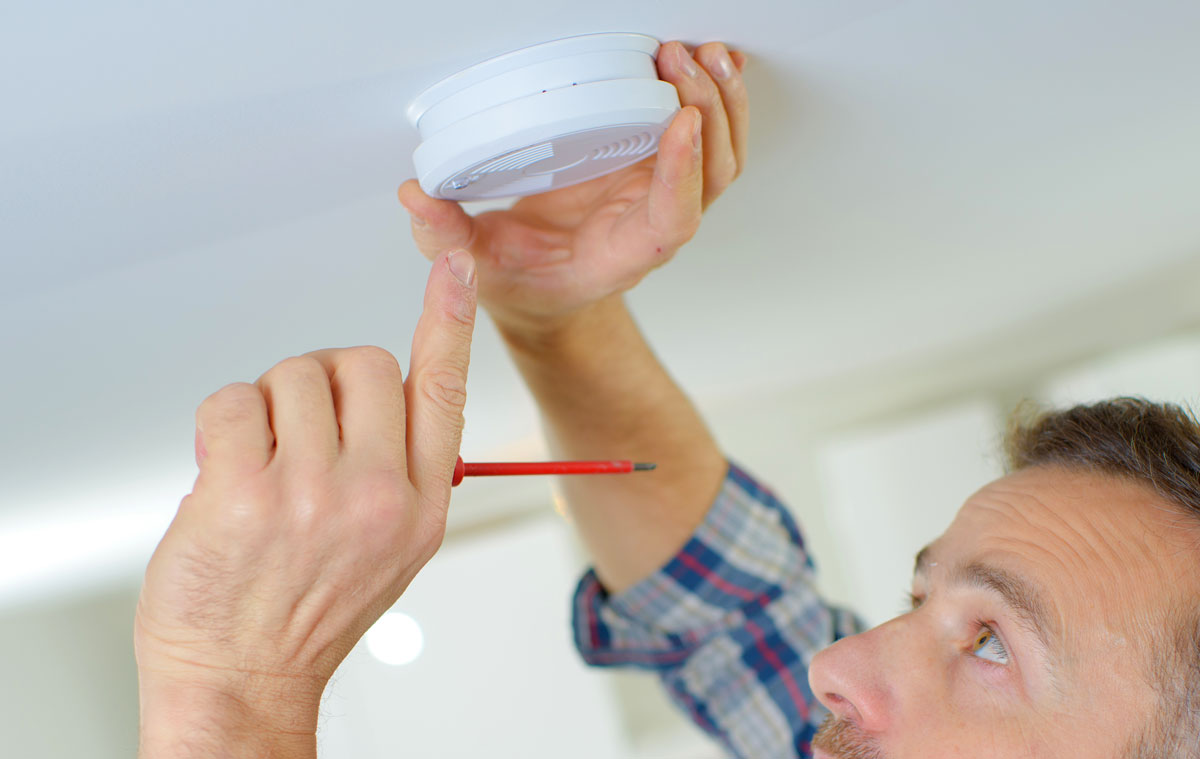
    In the month of December, the Chesterfield Fire Department will be giving out free smoke detectors.  If you know a family or senior citizen that may be in need of new smoke detectors, please nominate them by sending an email to prevention@chesterfieldfire.org or by going to our web site www.chesterfieldfire.org/smoke-alarm-giveaway and completing the nomination form.  Please include the nominees’ name, address, phone number and the number of people living in the home.  The program is limited to residents of Chesterfield Township; we have a limited supply, and recipients will be randomly selected.  Once recipients are selected, they will be contacted by our Prevention Bureau to schedule an installation appointment.

    Smoke alarms are important tools that can provide you with a lifesaving alert, giving you the chance to escape their homes in the event of a fire. The Chesterfield Township Fire Department is working to provide these alarms for free of charge to our residents who need assistance.

    Smoke detectors will save lives as long as they have a functioning battery. It will always be there for you, so if you have a fire, it will alert you that there may be a fire in your home. It can’t be said enough that smoke detectors save lives.

    According to the U.S. Fire Administration website, every year in the United States about 2,500 people die in home fires; most of these deaths occur in homes that didn’t have a working smoke alarm.

    Nomination Form